

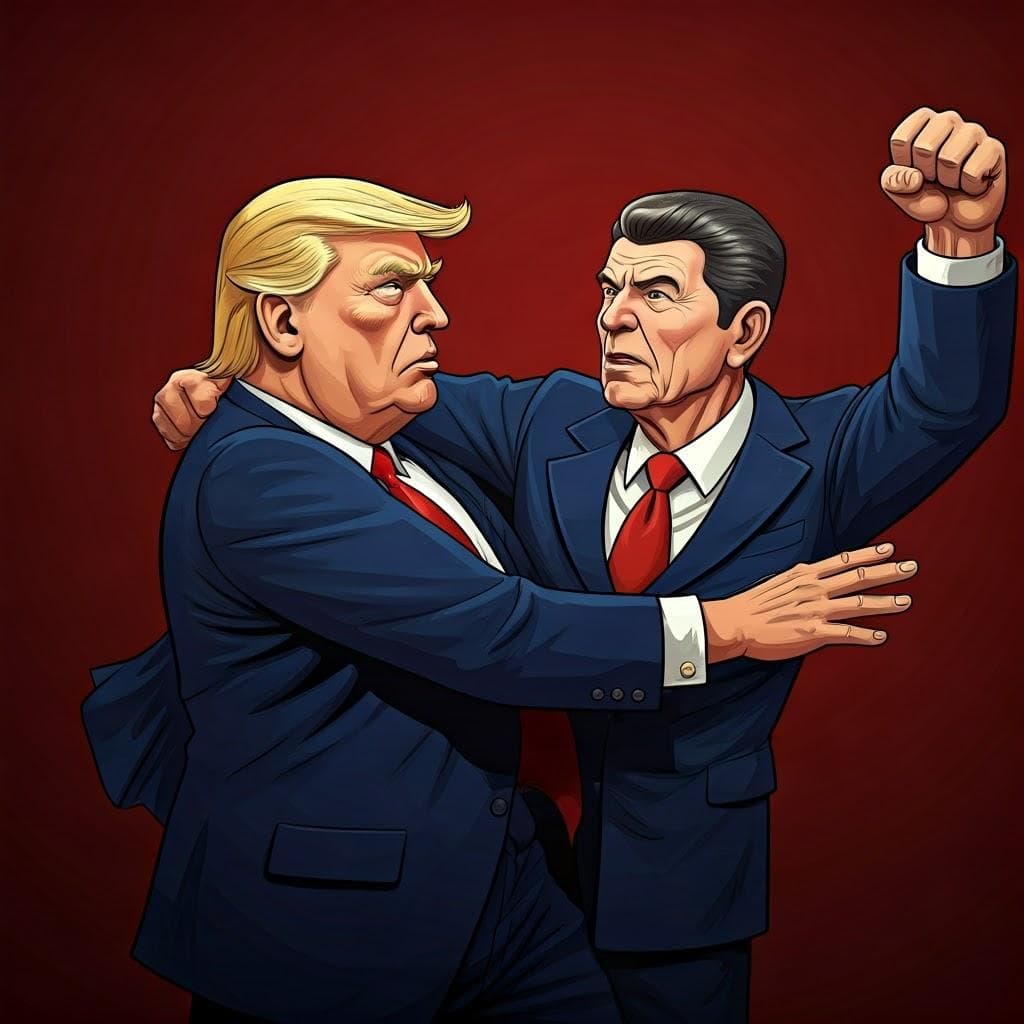
Ronald Reagan, the 40th President of the United States, held a distinctive view on tariffs that aligned closely with his broader belief in free-market principles. Reagan argued that reducing tariff barriers was essential for fostering competition, increasing efficiency, and ultimately benefiting the American consumer. He believed that an open trading environment encouraged innovation and helped lower the cost of goods, attributing economic growth to the dynamism of global markets.
Free-Market Ideals and Tariff Reduction
During his presidency in the 1980s, Reagan championed policies that promoted deregulation and the reduction of government intervention in the economy. Although he was a staunch advocate of limited government, Reagan recognized the importance of protecting domestic industries when absolutely necessary. However, he cautioned against the overuse of tariffs as a tool for shielding local businesses from international competition, arguing that such protections might inadvertently stifle growth and lead to inefficiencies in the long term.
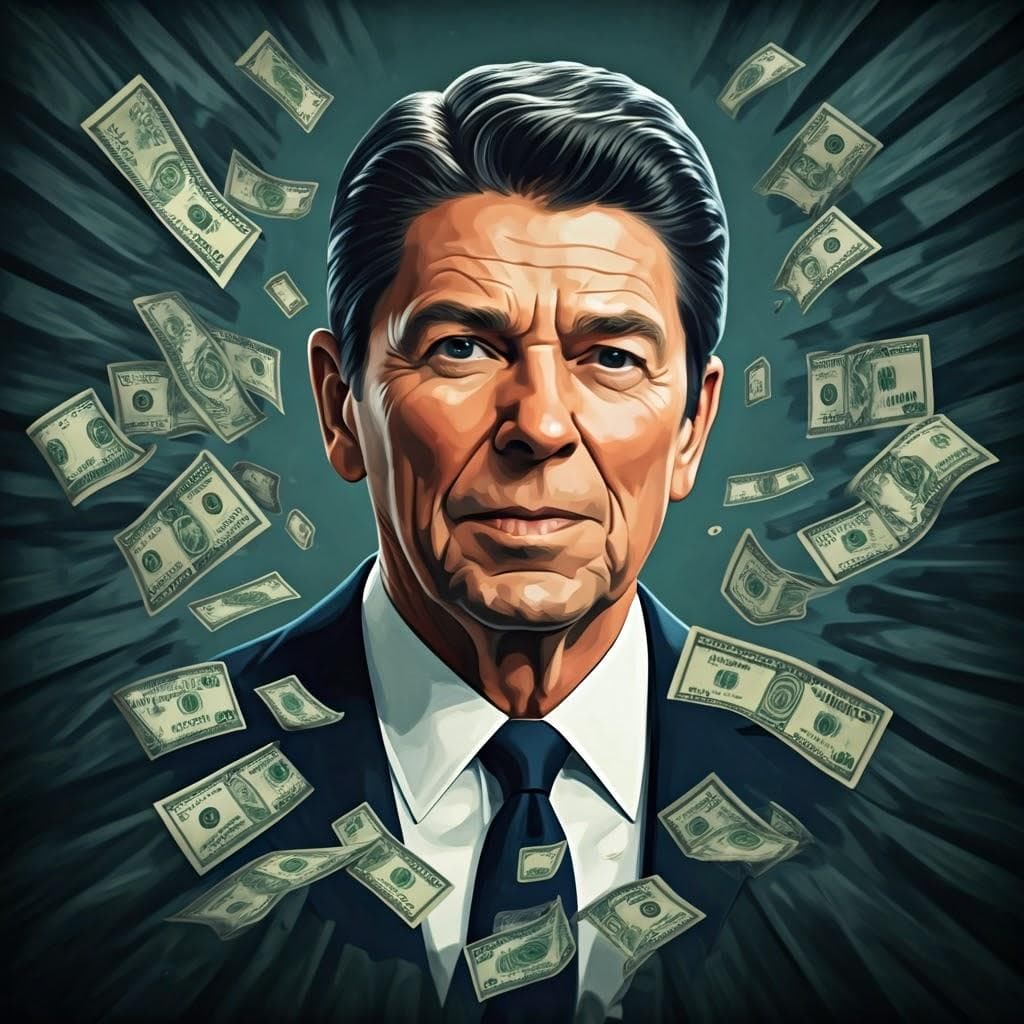
Balancing Protection with Global Trade
Reagan’s approach to tariff policy was pragmatic. He supported measures that sought to open international markets and increase trade, suggesting that mutually beneficial agreements among nations could create a healthier economic landscape for all. This perspective was rooted in his understanding that the United States, as a major economic power, had much to gain from reduced trade barriers. By fostering an environment where goods and services could move across borders with fewer restrictions, he believed that America would not only reinforce its competitive edge but also promote peace and cooperation among nations.
Legacy and Impact
In summary, Ronald Reagan’s view on tariffs reflects his commitment to free-market ideals and the belief that minimal trade barriers spur economic progress and consumer benefits. While he acknowledged the need for occasional protective measures, his overall stance underscored the importance of global interconnectedness and competition. Reagan’s legacy in tariff policy reminds us that embracing the principles of open trade can lead to a more vibrant and resilient economy.