

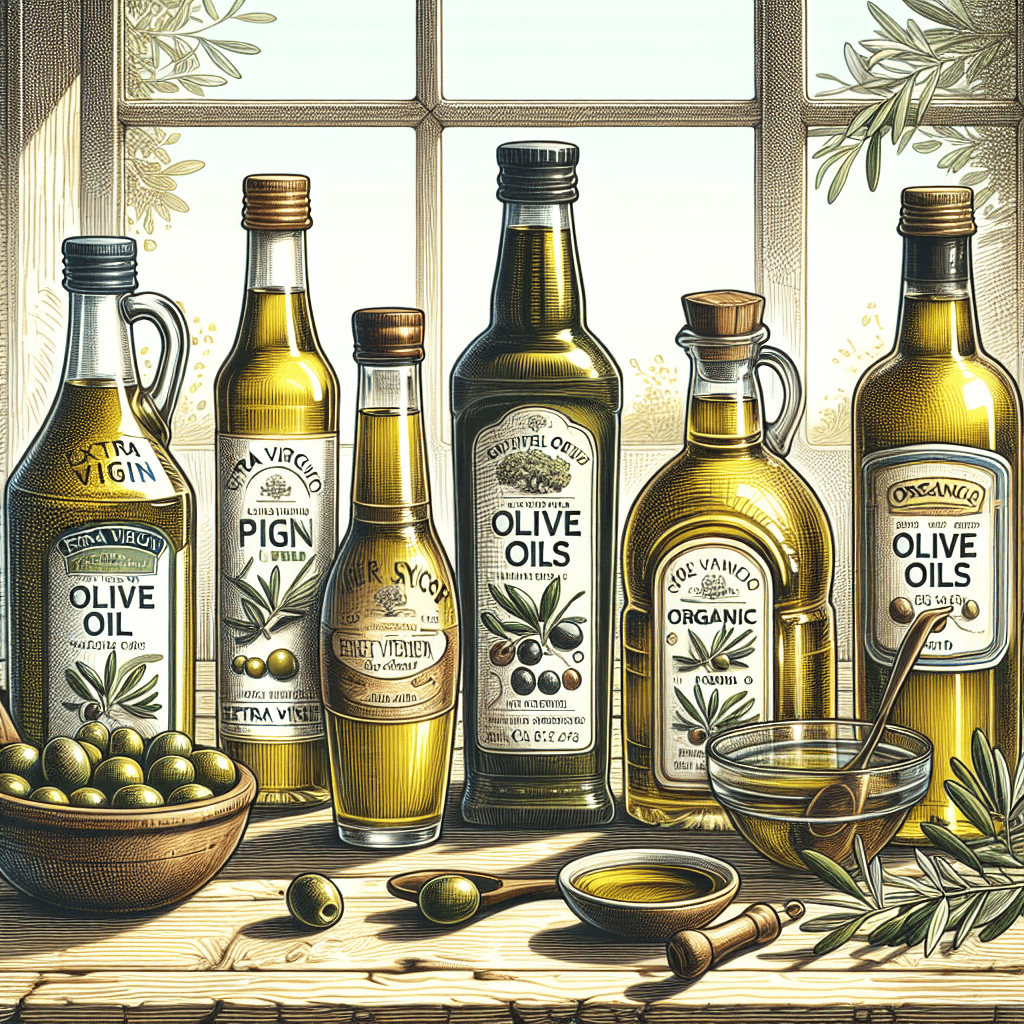
Olive oil is a diverse and complex product, valued for its distinctive flavors and numerous health benefits. However, not all olive oils are created equal. Differences in production methods, chemical composition, sensory qualities, and smoke points dictate which types are best suited for various culinary applications. Choosing the right olive oil can enhance dishes, preserve nutritional value, and optimize cooking performance. This article provides a technical yet accessible guide to the major olive oil types, explains their best uses, highlights which to avoid for specific cooking tasks, and offers targeted culinary tips.
Types of Olive Oil, Their Uses, and Benefits
Extra Virgin Olive Oil (EVOO)
- Production: Cold mechanical extraction from fresh, high-quality olives without refining; free acidity ≤ 0.8%.
- Best Uses: Ideal for raw applications such as salad dressings, marinades, drizzling on cooked dishes, and dipping bread due to its rich, complex fruity, bitter, and peppery flavor profile.
- Not Recommended For: High-heat cooking like deep frying or prolonged roasting, as its delicate polyphenols can degrade at temperatures above 375–410°F (190–210°C).
- Cooking Tip: Use EVOO as a finishing oil to preserve its aroma and antioxidants; when heating EVOO gently (e.g., for light sautéing), do so on low to medium heat.
- Benefits: Packed with antioxidants and monounsaturated fats (oleic acid), EVOO supports cardiovascular health, reduces inflammation, and provides vitamins E and K.
Virgin Olive Oil
- Production: Cold-pressed like EVOO but with slightly higher acidity (up to 2%) and minor sensory defects.
- Best Uses: Suitable for moderate-heat cooking such as pan sautéing, light frying, or baking where slightly higher temperature resilience is needed without flavor loss.
- Limitations: Less complex in flavor and lower in antioxidants compared to EVOO.
- Cooking Tip: Great for warm dishes where you want some olive flavor without risking the degradation of delicate compounds.
Refined Olive Oil
- Production: Made by chemically and physically refining virgin oils with sensory defects or high acidity, removing most flavors and antioxidants.
- Best Uses: Ideal for high-heat cooking methods like deep frying, roasting, and grilling (smoke point around 465°F or 240°C).
- Not Recommended For: Raw use (like dressings or bread dipping) as it lacks the nutritional and flavor qualities of virgin oils.
- Cooking Tip: Use refined olive oil when cooking at temperatures above EVOO’s safe heat limit to avoid burning or off-flavors.
- Benefits: Though it lacks antioxidants, it’s a healthier high-heat option compared to saturated fats or seed oils with trans fats.
Olive Oil (Blend)
- Production: A blend of refined olive oil and a small percentage of virgin oils to add mild flavor.
- Best Uses: All-around cooking oil for frying, sautéing, baking, and general everyday use.
- Limitations: Flavor is subtle; not recommended for gourmet raw presentations where olive oil character is desired.
- Cooking Tip: Use for recipes needing a neutral oil but prefer olive oil's fatty acid profile over other vegetable oils.
Olive Pomace Oil
- Production: Extracted from olive pulp residue using solvents, then refined and blended with virgin oil.
- Best Uses: Primarily for commercial and industrial frying due to its very high smoke point and mild taste.
- Not Recommended For: Direct table use or dressing due to its neutral taste and production methods.
- Cooking Tip: Choose pomace oil for deep frying where flavor neutrality and heat stability are paramount.
- Benefits: Provides a cost-effective alternative for frying but offers minimal health benefits.
Practical Cooking Tips Summary
- Use Extra Virgin Olive Oil for dressings, dips, drizzling, and low-heat applications to capitalize on flavor and health benefits.
- Opt for Virgin Olive Oil in moderate heat cooking to retain some flavor while tolerating higher temps.
- Use Refined Olive Oil or Olive Oil Blends for frying and roasting high temperatures to prevent flavor degradation or burning.
- Reserve Olive Pomace Oil for commercial or heavy-duty frying where cost and smoke point outweigh flavor concerns.
- Remember to avoid heating EVOO and virgin oils beyond their smoke points to maintain antioxidant qualities and avoid harmful compounds.
- Store all olive oils away from light and heat in dark bottles to preserve their quality.
Conclusion
Each olive oil type offers distinct culinary advantages and nutritional characteristics suited to particular uses. Selecting the right oil enhances both kitchen results and health outcomes, whether elevating dishes with fruity extra virgin oils or leveraging refined oils’ high heat tolerance.